
Renters vs Homeowners
How knee-jerk reactions are driving the housing crisis

We work with a lot of communities who are struggling with a small but vocal group of homeowners who advocate strongly to eliminate or prohibit rental housing in their neighborhood, and sometimes across the whole town.
The thought process is generally rooted in preconceived ideas that homeowners are more likely to be invested in the neighborhood, will take better care of the community, and are less likely to disrupt the status quo. But what most of these long-established homeowners don’t recognize is that if they were starting over and trying to buy their first home in the current market, they likely could not afford the house they’re currently living in. And, the truth is, in most communities nearly 70% of households could not afford to buy a house in today’s market - even if they’re already a homeowner.
This is the first in a multi-part series about the pros and cons of owning a home vs renting one. We’ll dive into the financial trade-offs for individual households as well as how to think about the overall balance of renters and homeowners across a neighborhood or an entire community.
Cost/Value
To start, let’s unpack the cost/value of homeownership to an individual household.
Renting a home vs buying a home is one of the most significant financial decisions many households will ever make, yet it’s often clouded by emotion, societal pressure, and oversimplified rules of thumb. The truth is that neither option is universally “better”—the right choice depends entirely on personal circumstances, financial goals, and lifestyle plans.
Time Horizon: The Foundation of a Good Decision
The single most important factor in the rent-versus-buy equation is how long you plan to stay in one place. Buying a home involves substantial transaction costs—typically 2-5% when purchasing (closing costs, inspections, appraisals) and 8-10% when selling (real estate commissions, transfer taxes, closing costs). These costs create a significant financial hurdle that only time can overcome.
If the owner has to sell within the first few years, they’re likely to lose money, even if the home appreciates modestly. Most financial experts suggest you need to stay in a home for at least five years to break even on transaction costs, and ideally seven to ten years to make buying financially advantageous compared to renting.
Here’s a quick example:
If a young couple buys a $300,000 home and sells it again just two years later, they will likely pay up to $30,000 in combined buying and selling costs. Even if their home appreciates at 3% annually ($18,000 over two years), they will still be $12,000 in the hole—not counting the mortgage interest they paid or the opportunity cost of their down payment.
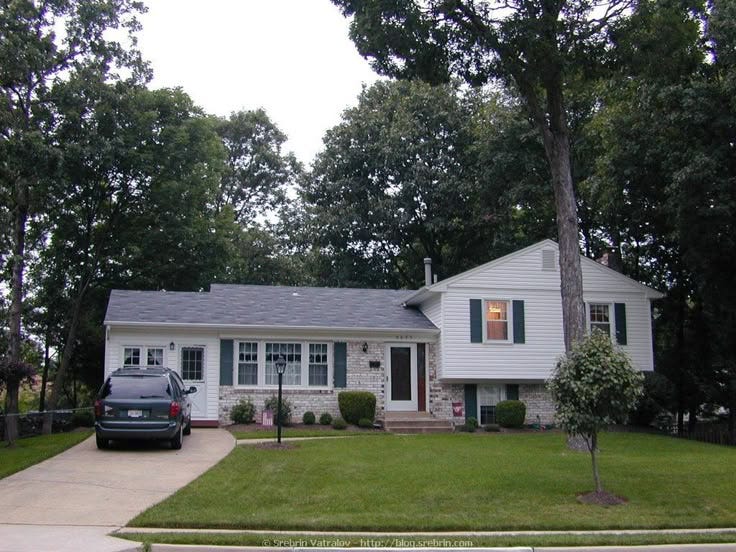
Here’s a breakdown of the cost to buy that $300,000 house and sell it again in two years.
Purchase price: $300,000
Down Payment: -$15,000
2 years of Mortgage Payments: -$43,200
($30,240 interest, $12,960 principal)
2 years of Taxes -$10,200
2 years of Insurance -$3,000
2 years of Utilities -$6,000
2 years of Maintenance -$6,000
Total 2-year out of pocket cost -$83,400
______________________________________________________________
Sale price (after two years) $320,000
Closing costs -$25,600
Net proceeds to homeowner $294,400
Remaining mortgage balance -$287,040
Cash to homeowners $7,360
Total cost to own a $300k home for two years: -$76,040
So, in this instance, if a young couple is just moving to a new area and doesn’t quite know which neighborhood they want to settle down in for the next 7 - 10 years, having an option available to rent might be a better financial decision.
Now let’s look at what it would have cost the same couple to rent a townhouse for $2,500 per month in the same neighborhood.
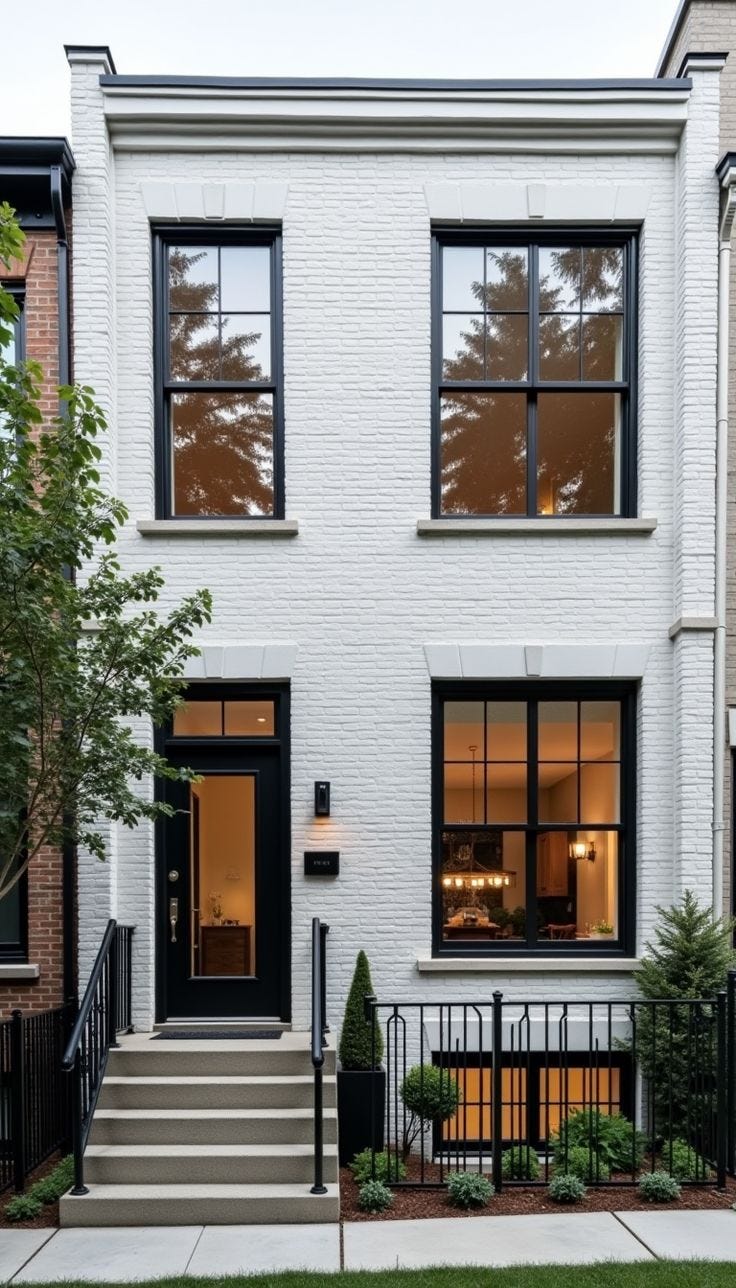
First + Last Months Rent: -$5,000
Security deposit: -$2,500
2-years of rent payments -$55,825
2 years of utilities -$2,400
Total two-year out-of-pocket cost to rent -$65,725
Returned security deposit +$2,500
Final cost to rent for 2 years -$63,225
This illustration of a young couple who isn’t sure they want to remain in the same home for the next 7 - 10 years makes very clear that renting would save them almost $13,000 over two years compared to buying something and selling it during the same time period.
In this example, we’re talking about the exact same couple wanting to live in a neighborhood over the exact same period of time. And yet, the existing neighbors often want to make a blanket decision to prohibit this couple from renting a townhouse in their neighborhood by prohibiting the construction of townhomes altogether.
Think about all the ways this couple might be contributing to the local community in ways that have nothing to do with the ownership status of their home. One might be a local elementary school teacher while the other manages the bank branch down the street. One might be doing a residency at the regional hospital and the other runs a small bakery in town. Making judgments about whether new neighbors are allowed to live in a particular neighborhood, based solely on whether they are renters or homeowners is a silly position to take.
However, understanding the underlying rationale behind people’s knee jerk reactions to the idea of renters in their community is important. In the next post we’ll try to unpack this a little more and talk about when these concerns are legitimate and how to address them effectively.
A very well explained situation. Hopefully the NIMBY crowd has an opportunity to read and understand this example.