
Sacred Ground, Shared Purpose
Most of the resources we need to solve shared problems are already available to us, if we only choose to activate them - together.

Every Sunday, I walk or drive past several churches with parking lots the size of a city block. They are full for maybe three hours a week. The rest of the time, they sit empty—prime real estate in a neighborhood where young families are being priced out and seniors are downsizing with nowhere affordable to go.
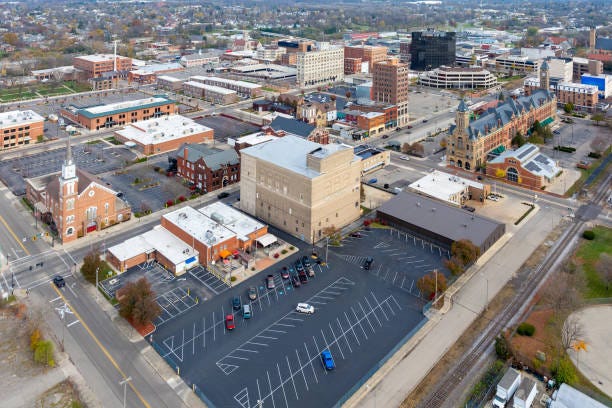
I’m pretty sure this scene repeats itself in nearly every community across North America. And I think it represents one of the most significant—and least discussed—opportunities to address our housing crisis.
Rough Numbers
There are somewhere around 380,000 religious congregations in the United States alone. Add Canada, and its closer to half a million. These organizations collectively own more than 2.6 million acres of land.
Much of this property sits in established neighborhoods with existing infrastructure: water, sewer, roads, transit, schools. The land is already zoned (or could be rezoned) for community use. And unlike most developable land, it’s controlled by mission-driven organizations with deep roots in their communities.
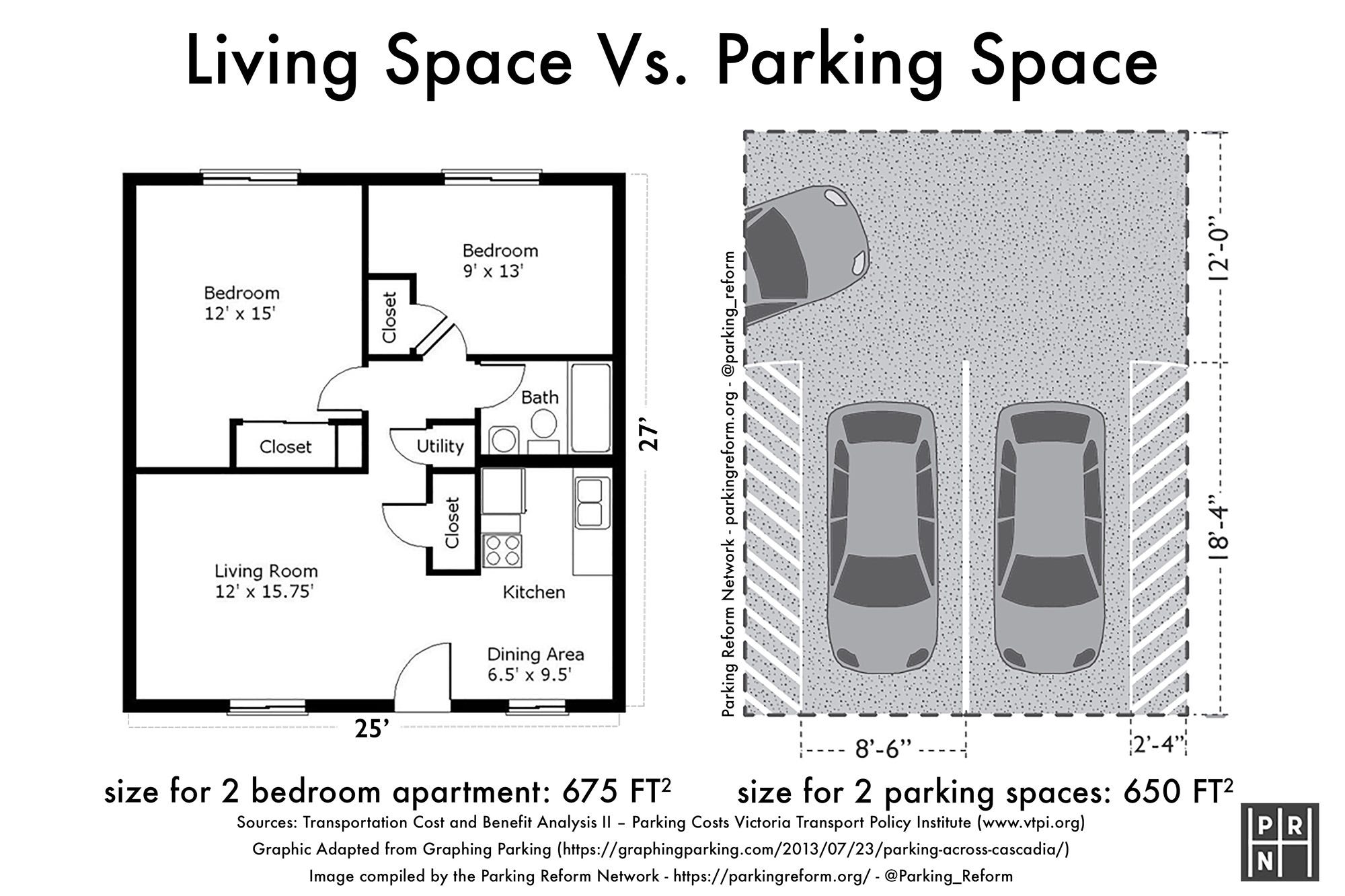
As many congregations are undergoing a demographic transformation, a significant and growing portion of this property is vastly underutilized.
A Confluence of Trends
Three forces are converging to create this moment:
1. Declining and Aging Congregations
Mainline Protestant denominations have seen membership decline by 30-50% over the past several decades. Many congregations that once filled sanctuaries now gather a few dozen faithful in spaces built for hundreds. The buildings remain—beautiful, historic, expensive to maintain—while the communities that built them have transformed.
Catholic dioceses are consolidating parishes at an unprecedented rate. Synagogues in suburban areas are merging or closing. Even growing evangelical congregations often find themselves with legacy properties from merged or acquired churches that no longer fit their ministry model.
This means that there are thousands of congregations maintaining buildings and grounds far larger than their current needs require, often at the expense of their core mission.
2. The Housing Affordability Crisis
I don’t need to rehearse the statistics. You know them. You’ve lived them, or watched your children, your parents, or your neighbors live them. And you can always go back to any of my previous posts for more data on this subject.
What’s worth noting is where the crisis is most acute: in established neighborhoods with good schools, transit access, and community amenities. Exactly the places where faith communities have been rooted for generations. Exactly the places where their properties sit.
3. The Search for Meaning and Mission
What gets lost in the hand-wringing about declining religious affiliation is that many congregations are experiencing a profound renewal of mission focus. As attendance-based metrics lose their grip, faith communities are asking deeper questions: What are we here for? How do we serve our neighbors? What does faithful stewardship look like?
For many, the answer is staring at them from across the parking lot.
What’s Already Happening
This isn’t theoretical. Across North America, faith communities are already transforming their properties into housing:
Trinity Church Wall Street in Manhattan developed hundreds of units of affordable housing on church-owned land, maintaining their historic sanctuary while creating homes for families who could never otherwise afford to live in Lower Manhattan.
The Episcopal Diocese of Los Angeles has committed to developing 5,000 units of affordable housing on diocesan property over the coming decade.
Catholic Charities organizations nationwide operate thousands of units of affordable and supportive housing, often on properties originally built for other purposes.
The United Methodist Church has made church-land housing a denominational priority, with conferences across the country exploring development opportunities.
In my own work in Michigan, I’ve seen congregations transform aging education wings into permanent supportive housing, partner with developers to build affordable apartments on unused parking lots, and reimagine entire campuses as mixed-use communities that blend housing, worship space, and community services.
The Inner City Christian Federation in West Michigan has a close partnership with dozens of faith-based communities ready to explore housing on their properties. Most recently, they completed the Seymour Condominium project which created 27 new affordable owner-occupied units on property formerly owned by Tabernacle church. And now, their Building With Faith campaign will help them to expand this work to another 200+ housing units in the region.
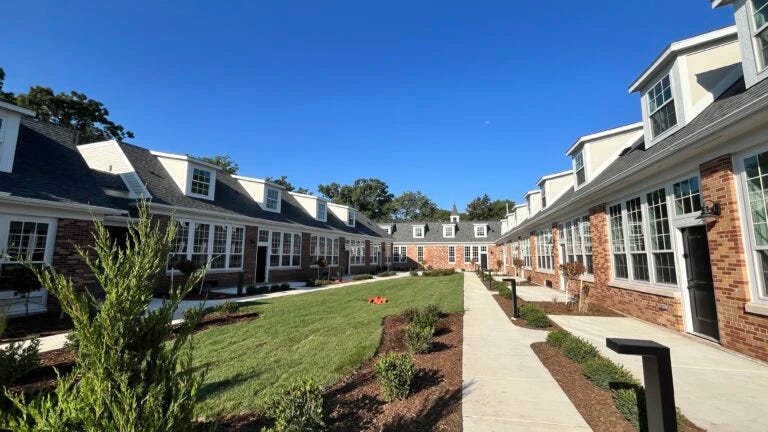
ICCF Seymour Condominiums. Photo credit to Crains Grand Rapids.
Why This Matters Beyond Housing
When done well, faith-based housing development creates value far beyond the units themselves:
For congregations: It transforms a liability (expensive, underutilized buildings and land) into an asset that generates mission impact and often revenue. It creates natural connections with new neighbors. It gives concrete expression to values that might otherwise remain abstract.
For communities: It adds housing without displacing existing residents or requiring greenfield development. It preserves community anchors that might otherwise close. It often includes community space, services, or programming that benefit the broader neighborhood.
For housing systems: It unlocks land that’s often available below market rates (or donated entirely). It brings values-aligned partners to the table—organizations that care about who lives in the housing, not just whether the rent gets paid. It often comes with built-in community support and volunteer networks.
For the people who live there: Faith-based housing developments frequently offer more than shelter. They offer community. Connection. A sense of belonging that’s harder to find in a conventional apartment complex.
The Catch: It’s Complicated
If this opportunity is so obvious, why isn’t every church building affordable housing?
Because it’s hard. Really hard.
Affordable housing development is among the most complex undertakings in real estate. It requires navigating Byzantine financing structures (tax credits, subsidies, loans from multiple sources), extended timelines (3-5 years from concept to occupancy is common), and regulatory requirements that would make a tax attorney weep.
Most congregations have no experience with any of this. They don’t know what they don’t know. And the affordable housing industry, while well-intentioned, often struggles to communicate with faith communities in ways that build trust and understanding.
The result is a pattern I’ve seen repeated dozens of times:
A congregation gets excited about housing.
They approach it the way they’d approach a building campaign or a new ministry program.
They define what they want without understanding what’s possible.
They encounter the realities of development finance and zoning.
They get frustrated, disillusioned, or make commitments they can’t keep.
The project either dies or damages relationships that took years to build.
The problem isn’t the vision. It’s the process.
A Different Approach
The congregations that succeed—the ones that actually get housing built and feel good about it afterward—tend to share a few characteristics:
They take their time. They recognize that discerning whether and how to pursue housing development is different from actually doing the development. They separate the question of “should we?” from the question of “how do we?”
They engage expertise early. They don’t try to figure out affordable housing finance on their own. They bring in consultants and development partners early—not to sell them on a project, but to educate them about what’s possible.
They listen broadly. They don’t let the loudest voices in the congregation drive the conversation. They create structured processes for hearing from longtime members and newcomers, neighbors and community stakeholders, skeptics and enthusiasts.
They distinguish between non-negotiables and preferences. They get clear about what they absolutely require (the sanctuary must be preserved; we must continue to operate our food pantry) versus what they’d prefer but could flex on (we’d like 50 parking spaces, but maybe 25 would work with on-street parking).
They define success carefully. They know what they’re trying to accomplish—and what they’re not. They can articulate their vision in a way that a development partner can actually work with.
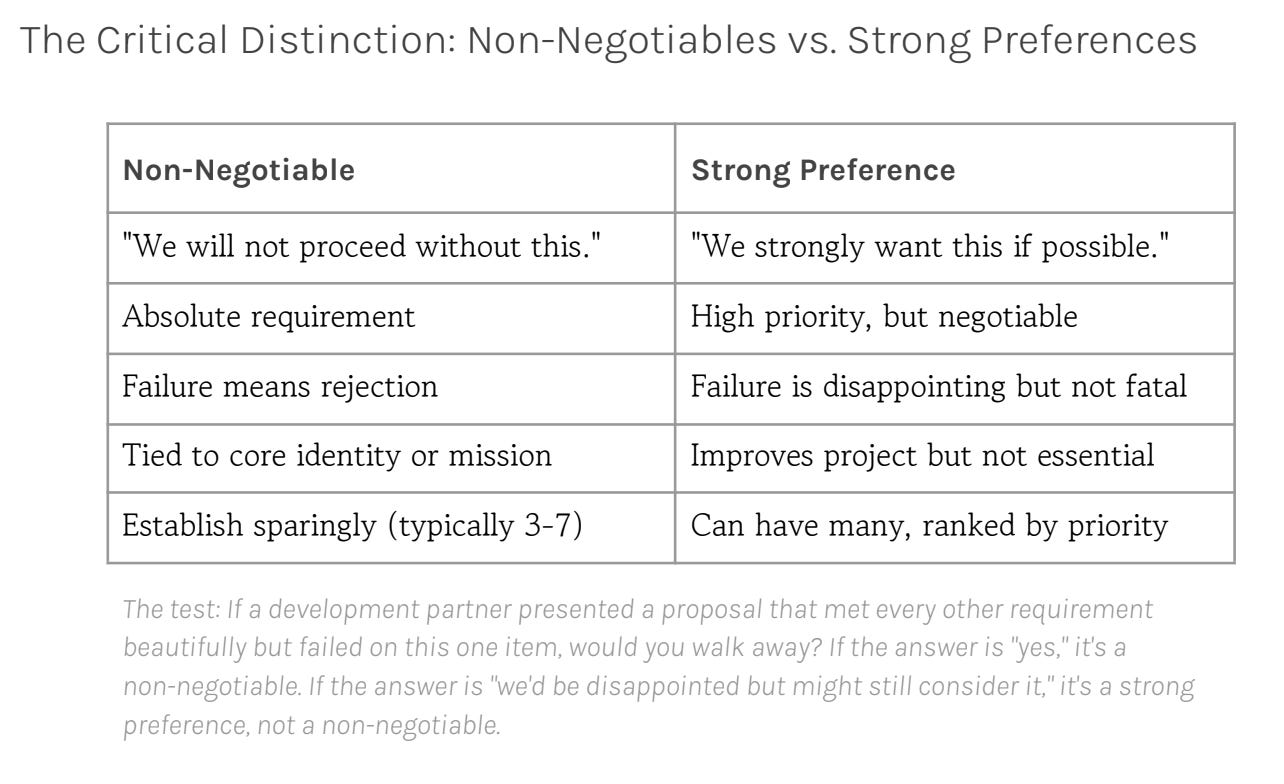
Excerpt from our Faith-based Housing Discernment Guide.
A Resource for the Journey
Over the past year, I’ve been working on something to help congregations navigate this discernment process. It’s called the Faith-Based Housing Discernment Toolkit—a comprehensive set of resources designed specifically for faith communities considering housing development on their property.
The toolkit walks congregations through a structured discernment process: forming a team, engaging professional expertise at the right time, facilitating congregational conversations, engaging neighbors, and ultimately defining the parameters that will guide any future development partnership.
It’s not about convincing congregations to do housing. It’s about helping them figure out whether housing is right for them—and if so, what kind of housing, under what terms, with what partners. And, this guide helps the faith community understand how valuable an experienced partner can be in this process.
I’ve learned that the congregations that rush into housing development often regret it. The congregations that take the time to discern well—to really understand what they want and what’s possible—build projects that serve their communities for generations.
If your congregation is sitting on underutilized property and wondering what’s possible, I’d encourage you to explore the toolkit. And if you know faith leaders who are wrestling with these questions, I’d be grateful if you’d pass this along.
The housing crisis won’t be solved by faith communities alone. But it won’t be solved without them either. The land is there. The mission is there. What’s needed now is the wisdom to bring them together well.
The Faith-Based Housing Discernment Toolkit is available here. For information about workshops and consulting services, contact Flywheel Community Development Services.
Ryan Kilpatrick is a community development consultant specializing in housing policy, faith-based development, and neighborhood investment strategy. He is principal at Flywheel Community Development Services in Grand Rapids, Michigan.